AntiCam
- My role
- Founder, Tully Tech. Designer and builder.
- Year
- 2023–2026
- Type
- Wearable privacy device
- Status
- Prototype
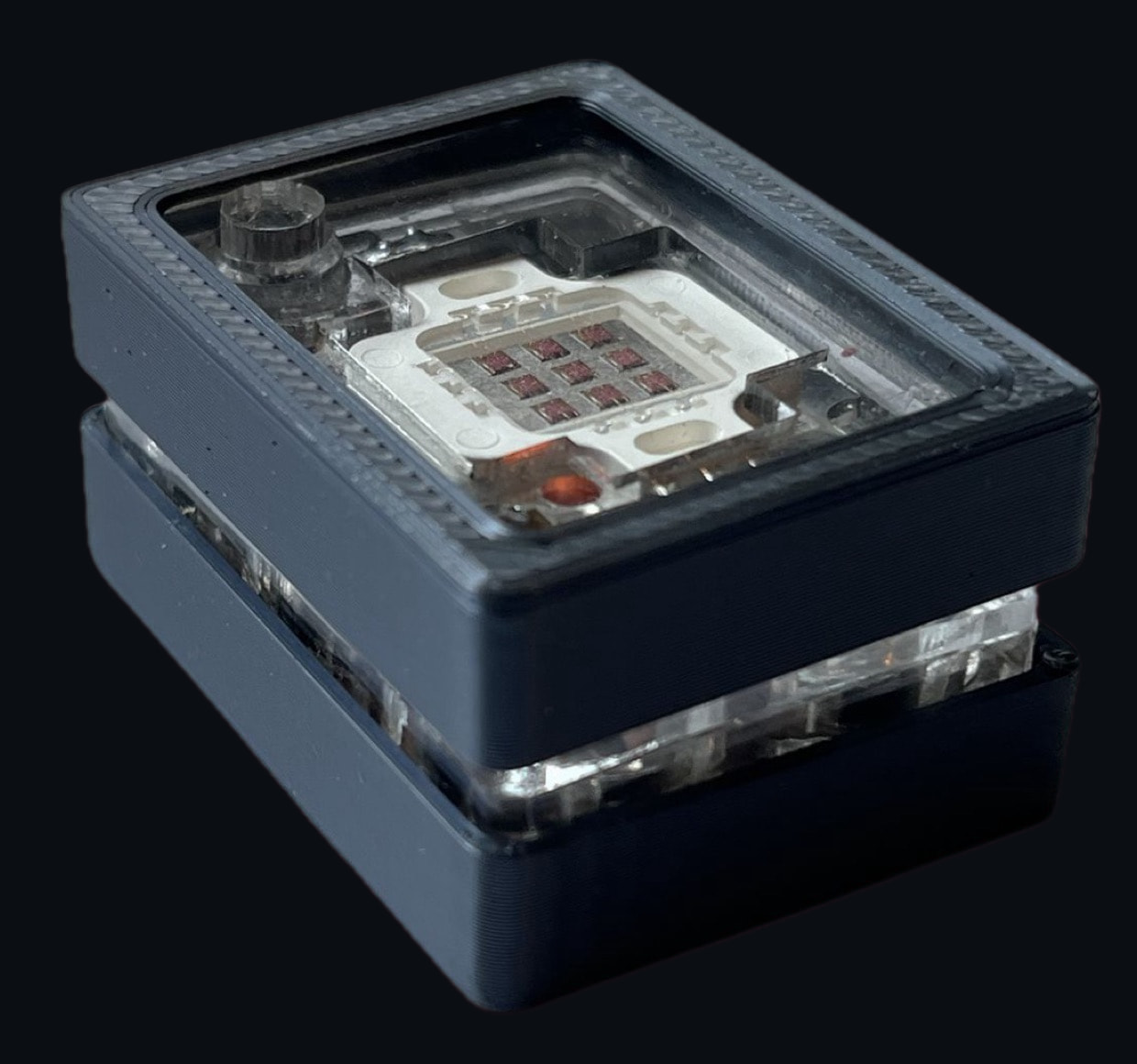
Final prototype V2, the clip-on pin: the emitter module under a clear acrylic window.
- 30+ prototypes and four major versions, from laser-cut discs to clear acrylic pins.
- Tested against a live Ring doorbell camera at night: the sensor recorded a glowing orb where the face should be.
- It works with light, not radio: unlike a jammer, which is illegal, it jams and damages nothing.
AntiCam is my wearable privacy device: an infrared LED array and a retro-reflective lining that keep cameras from capturing a usable image of me, without jamming or damaging anything.
Results
- AntiCam prototypes built
- 30+prototypes
- AntiCam versions
- 4major versions
- of Americans have found a camera at a vacation rental, up from 25% in 2023
- 47%
- across the 50 largest U.S. cities, 70,882 of them in New York City
- 537,000cameras
(AntiCam)
Versions
First
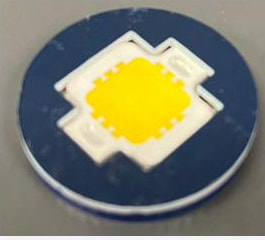
Proof of physics: a single IR module on laser-cut discs with four coin cells. Cameras see it, eyes do not.
Second
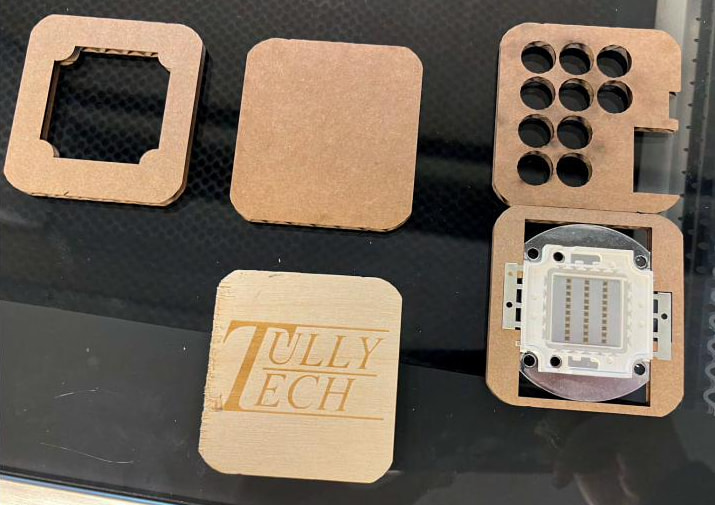
First enclosure: laser-cut MDF housing, logo engraved into the lid, carryable.
Third
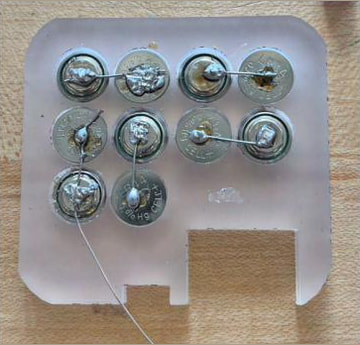
Clip-on device: acrylic plates, nine hand-soldered coin cells joined with copper tape, tested against real cameras.
Final V1
7 June 2023
The generation that passed the doorbell test: the finished pin, and the under-brim cap array beside it.
Doorbell test passed · Ring doorbell, night mode, 7 June 2023
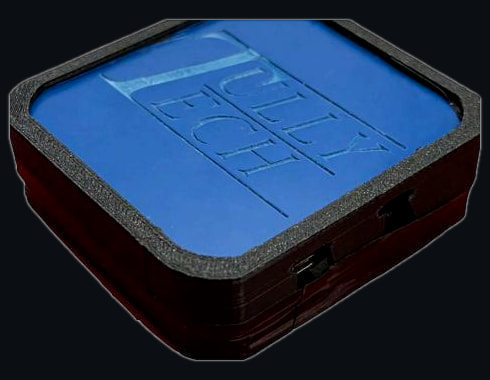
Final V2
Six clear acrylic plates, coin cells and a slide switch, in three colourways.
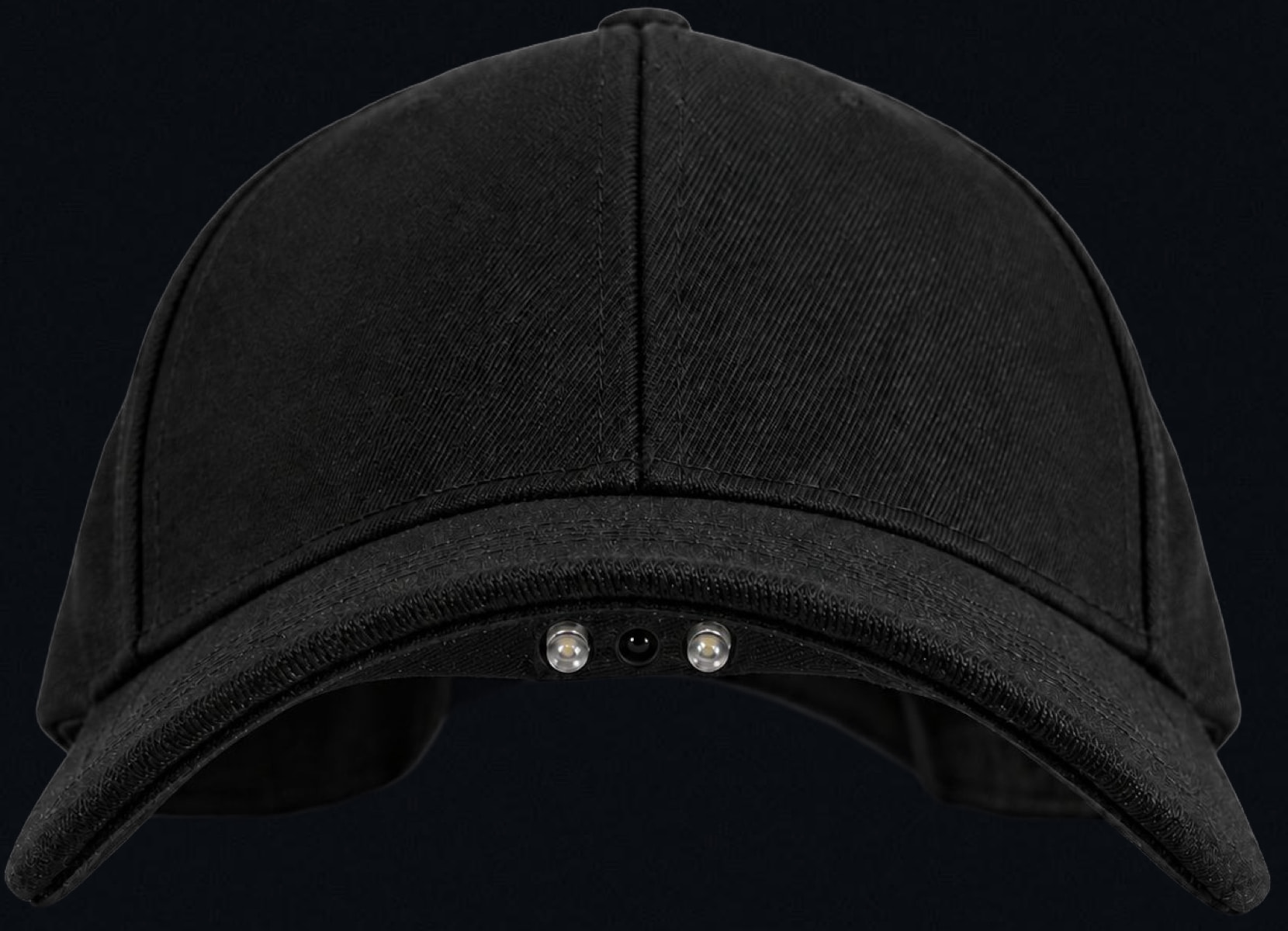
Cap V2
The final version: the emitter array moves under the brim of a cap, aimed where cameras look, with retro-reflective lining behind it.
Gallery
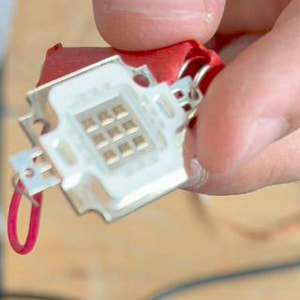
The emitter
The COB emitter module: a grid of emitter dies on a ceramic body, with solder tabs.
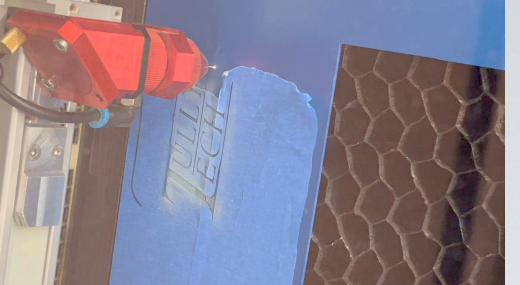
Engraving the mark
Engraving the mark through masking tape on the laser cutter.
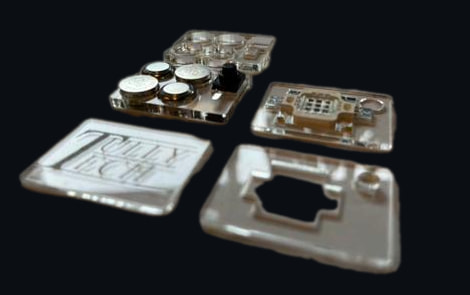
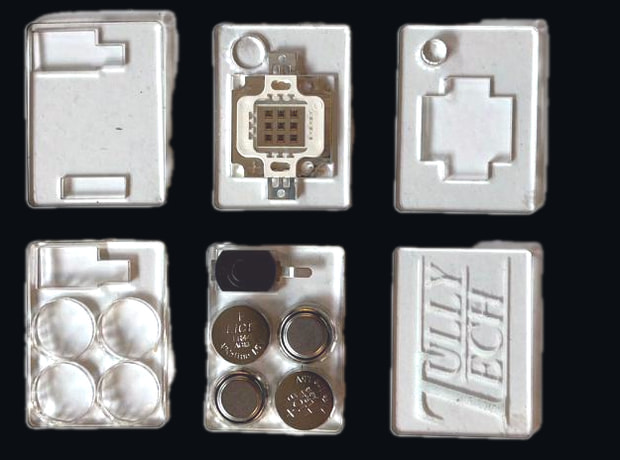
The V2 stack
The V2 stack laid out in order: cells and switch, emitter plate, spacers, lid.
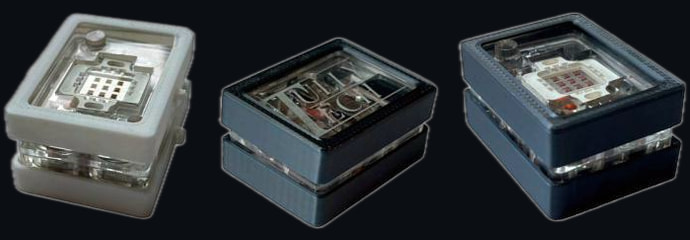
Final V2, three colourways
Final prototype V2: white, dark gray and navy colourways.
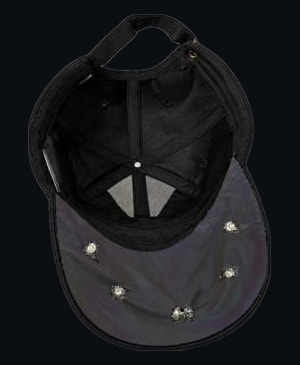
Cap V2, under the brim
Cap V2: emitters set under the brim, with the lining behind them.
How it works
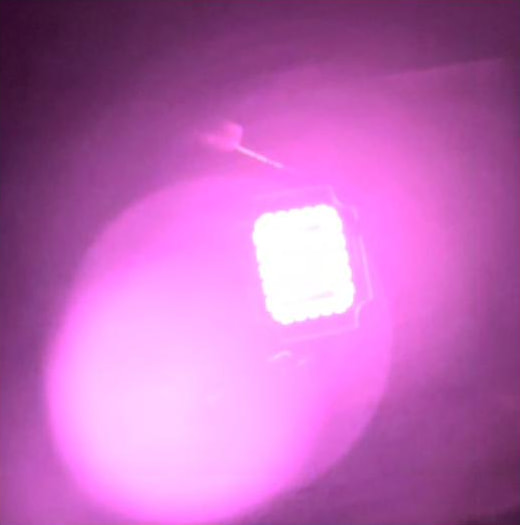
Test 2, phone camera: the emitter reads magenta to a sensor and dark to the eye.
Facts
- My role
- Founder, Tully Tech. Designer, builder and author of every AntiCam document.
- When
- Earliest dated test 7 June 2023; Mastery project 11 February to 6 May 2025; BUILD application deck fall 2026.
- Status
- Hand-built prototype. A custom PCB, battery-safety testing and IR eye-safety testing are planned, not done.
- Formats
- Clip-on pin, cap, room unit, planned; one emitter, driver and battery platform.
- Price target
- Pin $30–45, cap $40–65, planned.
- Awards
- None.
- Prototypes
- 30+, four major versions.